










GBP Photo and Video Strategy for Personal Injury Lawyers
LAW FIRM SEO THAT WORKS®
Our Focus: Your Firm
The best law firm marketing comes with a No Competition™ Guarantee.
Your Google Business Profile is one of the most visible assets your personal injury firm controls in local search, and the photos and videos on it determine whether a prospective client stops scrolling or keeps looking. According to Google’s own data, businesses with photos on their profiles receive 42% more requests for driving directions and 35% more clicks through to their websites than businesses without photos. For personal injury attorneys competing in dense local markets, that gap is the difference between a call and a missed opportunity. A well-executed law firm marketing strategy treats GBP media as an active channel, not a one-time setup task.
Table of Contents
- Why GBP Photos Directly Affect How Clients Find Your Firm
- Google’s Technical Requirements for GBP Photos and Videos
- The Right Video Types for a Personal Injury Law Firm’s GBP
- Building a Consistent GBP Media Upload Schedule
- What Law Firms Get Wrong About GBP Media (and How to Fix It)
- FAQs About GBP Photo and Video Strategy
Why GBP Photos Directly Affect How Clients Find Your Firm
Photo volume and freshness both carry weight on your Google Business Profile. Profiles with 100 or more photos see 520% more calls than those with fewer photos, a 24% higher interaction rate for businesses that upload new photos monthly versus those with static libraries, and 27% more discovery impressions for profiles with fresh photos versus those with outdated visuals. Those numbers reflect a consistent pattern: Google rewards active profiles.
A business that uploaded 100 photos when it first created its GBP listing years ago and has not uploaded a single photo since performs worse than a business with 30 photos where four or five new photos were added that month. Recency matters as much as quantity.
Local results are based on relevance, distance, and prominence, and these factors work together to help Google find the best match for a customer’s search. Photos contribute to the prominence signal by generating engagement actions like direction requests and website clicks, both of which Google tracks as behavioral indicators of a relevant, active business.
For personal injury firms, photo categories should be deliberate. Exterior shots help clients recognize your building when they arrive. Interior shots of your conference rooms and reception area reduce anxiety before a first meeting. Attorney headshots and candid team photos humanize the firm in a way that stock images never can. Google’s own guidelines state that photos should be in focus and well lit, with no significant alterations or excessive use of filters, because the image should represent reality. Authentic images build trust. Staged or filtered images undermine it.
The cover photo deserves special attention. Google recommends a widescreen 1024 x 576 pixel image at a 16:9 ratio for the cover photo, and it should be high-quality since it serves as your primary branding image. A blurry or generic cover photo signals a neglected profile. If the cover photo you select is low-quality or other sources suggest it does not best represent your business, a user-submitted photo may be selected instead. That means Google could replace your carefully chosen image with one uploaded by a client or passerby.
Google’s Technical Requirements for GBP Photos and Videos
Meeting Google’s media specifications keeps your uploads live and visible. Photos that fail the technical threshold get flagged, and flagged media does not appear on Search or Maps. Google recommends JPG or PNG format, a file size between 10 KB and 5 MB, a recommended resolution of 720 x 720 pixels, a minimum resolution of 250 x 250 pixels, and photos that are in focus and well lit with no significant alterations or excessive use of filters.
For videos, the requirements are equally specific. Videos must be 720p resolution or higher, a maximum of 30 seconds long, and under 75 MB in file size. Google does not publish a preferred container format, but MP4 works reliably across upload workflows. It can take up to 24 to 48 hours before photos and videos show on your Business Profile after upload. Plan your content calendar with that delay in mind.
Media in the pending state, meaning it is still uploading or processing or the profile is unverified, does not show up on Google Search or Maps. Verification must be complete before any media goes live. Common reasons for photo rejection include using stock photos, adding text overlays such as phone numbers, applying heavy filters, or uploading blurry images. Each of those is a fixable problem, but each also requires re-upload and another review cycle.
Stock photos are a particular risk for law firms. Google’s content policy requires authentic representation of the actual business. A generic courthouse image or a handshake photo downloaded from a stock library fails that test. Attorneys who rely on real photography of their office, their team, and their work environment avoid rejection and produce media that performs better with prospective clients.
The Right Video Types for a Personal Injury Law Firm’s GBP
Only about 4% of Google Business Profiles use video, which means uploading even one well-produced clip puts your firm ahead of the overwhelming majority of competitors. Videos on GBP are viewed twice as often as photos, yet only 4% of profiles use video. That gap is an open opportunity for personal injury firms willing to invest 30 seconds of screen time.
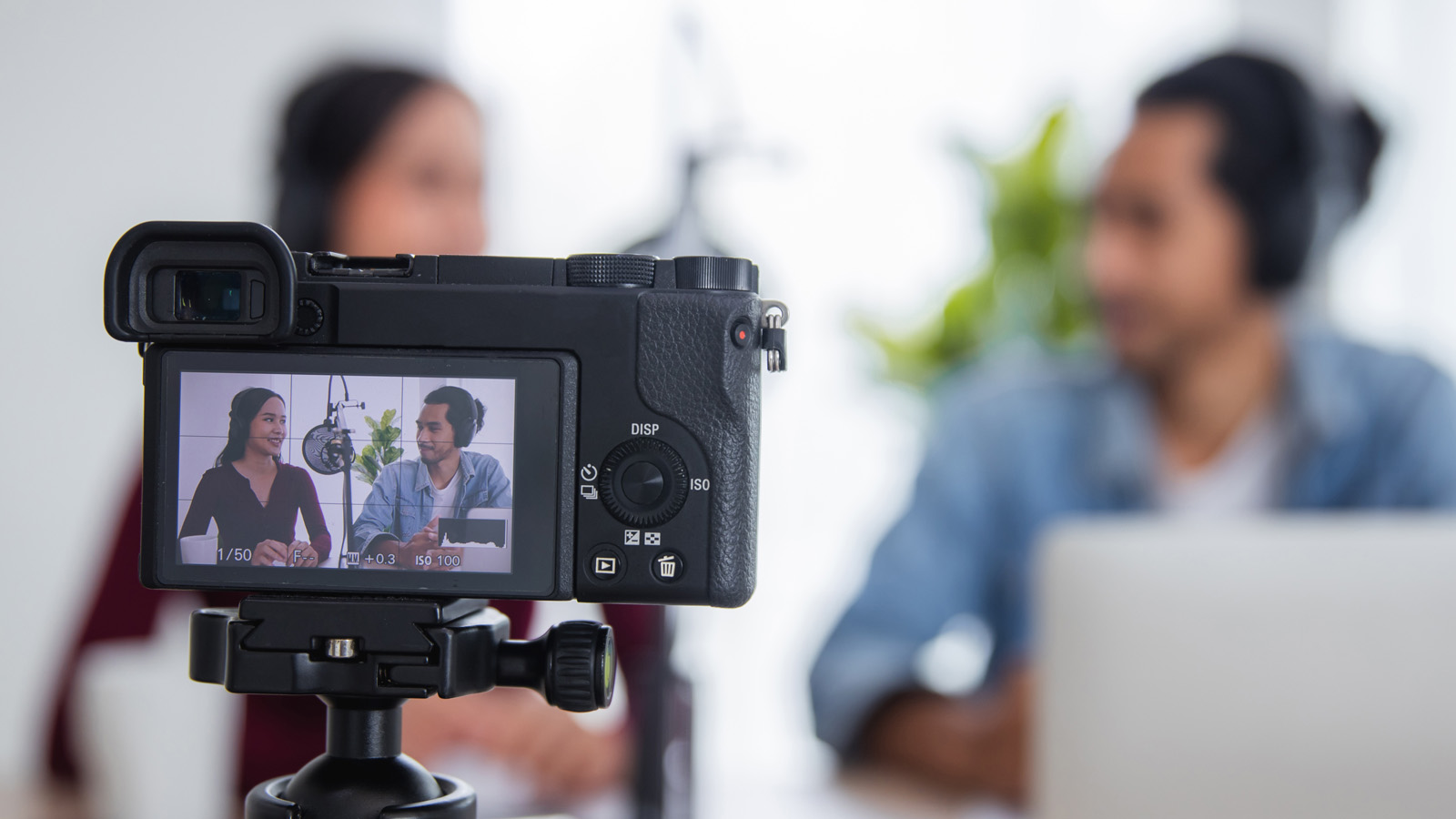
Attorney introduction videos are the highest-impact format for a law firm’s GBP. A short clip where the lead attorney speaks directly to a prospective client, addresses their fears, and explains what to expect from the intake process creates a connection that no written bio can replicate. The goal is to answer the question every injured person is asking before they call: “Can I trust this person with my case?”
FAQ-format videos also perform well. Personal injury clients ask the same questions repeatedly: How long does a case take? Do I pay anything upfront? What happens at my first meeting? Answering one question per clip keeps the content focused and under 30 seconds. These short videos align with how prospective clients search on YouTube Shorts, Instagram Reels, and TikTok, which means the same content can serve your GBP and your short-form video strategy simultaneously.
Office tour clips humanize the firm. Showing the reception area, the conference room where client meetings happen, and the team at work reduces the anxiety many clients feel before visiting a law office for the first time. Culture videos that explain why the attorneys practice personal injury law, or that show the firm’s involvement in the local community, build an emotional connection that generic credentials cannot.
Every video uploaded to your GBP should also live on your firm’s website, embedded on the relevant practice area page with a full transcript published as on-page text. That approach creates multiple citation surfaces: the GBP itself, the YouTube watch page, and the embedded video on your site. The transcript gives AI systems and search engines structured text to extract, which supports your broader Answer Engine Optimization goals alongside your local visibility.
Building a Consistent GBP Media Upload Schedule
Consistency in uploading outperforms any single batch of photos. Regular Google Posts, updated services, and fresh photos signal relevance and trust to Google, and these actions help optimize search results while increasing user interactions such as calls, messages, and direction requests. The same principle applies to media: a steady upload cadence tells Google the profile is active.
A practical schedule for a personal injury firm looks like this: one to two new photos per week drawn from real firm activity, one short video per month, and a cover photo refresh every quarter. The photos do not need to be professionally produced every time. A smartphone photo of the team at a community event, a shot of the reception desk after a renovation, or a photo taken at a local sponsorship appearance all qualify as authentic, timely content.
Tie your photo uploads to events that already happen at the firm. A new attorney joining the team generates headshots. A firm anniversary generates team photos. A settlement win generates a team celebration photo. Client testimonial videos, recorded with permission, generate video content. Each real event becomes a media asset with minimal additional effort.
Monitor which photos accumulate the most views using the GBP Insights panel. Google tracks actions such as profile views, clicks, calls, messages, photo views, and driving-direction requests. Photo view data tells you which images resonate with prospective clients and which categories to prioritize in future uploads. A photo of the lead attorney consistently outperforming office exterior shots, for example, is a signal to produce more attorney-facing content.
This kind of data-driven media management is exactly what separates firms that treat their GBP as a static listing from those that treat it as an active marketing channel. The firms that win in local search consistently are the ones uploading, reviewing, and adjusting, month after month. That discipline connects directly to the broader law firm SEO work that drives rankings across both the Local Pack and organic results.
What Law Firms Get Wrong About GBP Media (and How to Fix It)
The most common mistake personal injury firms make with GBP media is treating the profile as a one-time setup. Photos get uploaded at launch and never updated. The cover photo stays the same for years. No videos are added. A business that uploaded photos when it first created its GBP listing and has not uploaded a single photo since performs worse than a business with fewer photos where new ones were added recently. Stagnation costs rankings and calls.
The second mistake is using stock photography. Google’s content policy requires authentic representation. Common rejection triggers include stock photos, text overlays like phone numbers, heavy filters, and blurry images. A stock photo of scales of justice or a gavel tells a prospective client nothing about the actual people and environment at your firm. Real photos of real people in the real office convert better and comply with Google’s guidelines.
A third mistake is ignoring the video opportunity entirely. Given that videos on GBP are viewed twice as often as photos but only 4% of profiles use video, the bar for standing out is remarkably low. A single 30-second attorney introduction video, filmed on a modern smartphone in good lighting with clear audio, places your firm ahead of 96% of competitors on this dimension alone.
Finally, many firms upload media without checking whether it actually goes live. Media flagged as not approved has violated policies and does not show up on Google Search or Maps. Build a review step into your upload workflow: check the status panel 48 hours after each upload to confirm the media is live. If it is still pending or flagged, troubleshoot the file before moving on.
Custom Legal Marketing helps personal injury firms build and maintain GBP media strategies that treat every photo and video as a deliberate business asset. If your profile has gone months without new media, or if you are unsure whether your current photos meet Google’s content standards, contact us for a full GBP audit.
FAQs About GBP Photo and Video Strategy
How many photos should a personal injury law firm have on its Google Business Profile?
There is no maximum, and more is generally better when the photos are authentic and recent. Profiles with over 100 photos see dramatically higher engagement than those with fewer, but the volume should grow organically through consistent uploads rather than a single batch. Aim for at least 20 to 30 well-categorized photos to start, covering exterior shots, interior spaces, attorney headshots, and team photos, then add new images monthly.
Does Google allow videos on a Google Business Profile, and what are the technical requirements?
Yes. Google allows business owners to upload videos directly to their GBP. The requirements are straightforward: videos must be 720p resolution or higher, no longer than 30 seconds, and under 75 MB in file size. After upload, Google reviews the content before it goes live, which can take 24 to 48 hours. Videos that depict the actual business, its team, or its services in an authentic way are most likely to pass review.
Will adding photos improve my law firm’s ranking in the Local Pack?
Photos contribute to engagement signals that Google uses as part of its local ranking model. Businesses with photos receive more direction requests and website clicks, both of which are behavioral signals Google tracks. While photos alone will not overcome a weak review profile or incorrect business information, a consistently updated photo library is a meaningful part of a complete GBP optimization strategy. Volume and freshness both factor into how Google perceives the profile’s activity level.
What types of videos perform best on a personal injury law firm’s GBP?
Attorney introduction videos and FAQ-format clips tend to generate the strongest response from prospective personal injury clients. A short video where the lead attorney speaks directly to someone who has been injured, explains what to expect from the process, and answers a common concern builds trust before the first call. Office tour clips and client testimonial videos (recorded with client permission) also perform well. Keep each clip focused on one topic and under 30 seconds.
How often should a law firm update the photos on its Google Business Profile?
Monthly uploads are the minimum for a profile that wants to signal activity to Google. Weekly is better in competitive markets. The content does not need to be professionally produced for every upload. Smartphone photos of real firm activity, such as team events, new team members, community involvement, or office updates, qualify as authentic content and help maintain the freshness signals that Google rewards. Pairing monthly video uploads with weekly photo additions creates a consistent media presence that most competing firms do not maintain.
More Resources About Local SEO for Personal Injury Firms
- Google Business Profile for Personal Injury Firms
- GBP Categories for Personal Injury Firms
- GBP Services and Attributes Setup
- Google Business Profile Posts for Personal Injury Law Firms
- Q&A Management on Google Business Profile for Personal Injury Lawyers
- Google Reviews for Personal Injury Firms
- Local Citations for Personal Injury Law Firms
What Our Clients Are Saying
