










These Are the Legal Directories That ChatGPT Actually Cares About
Jason Bland | February 10, 2026
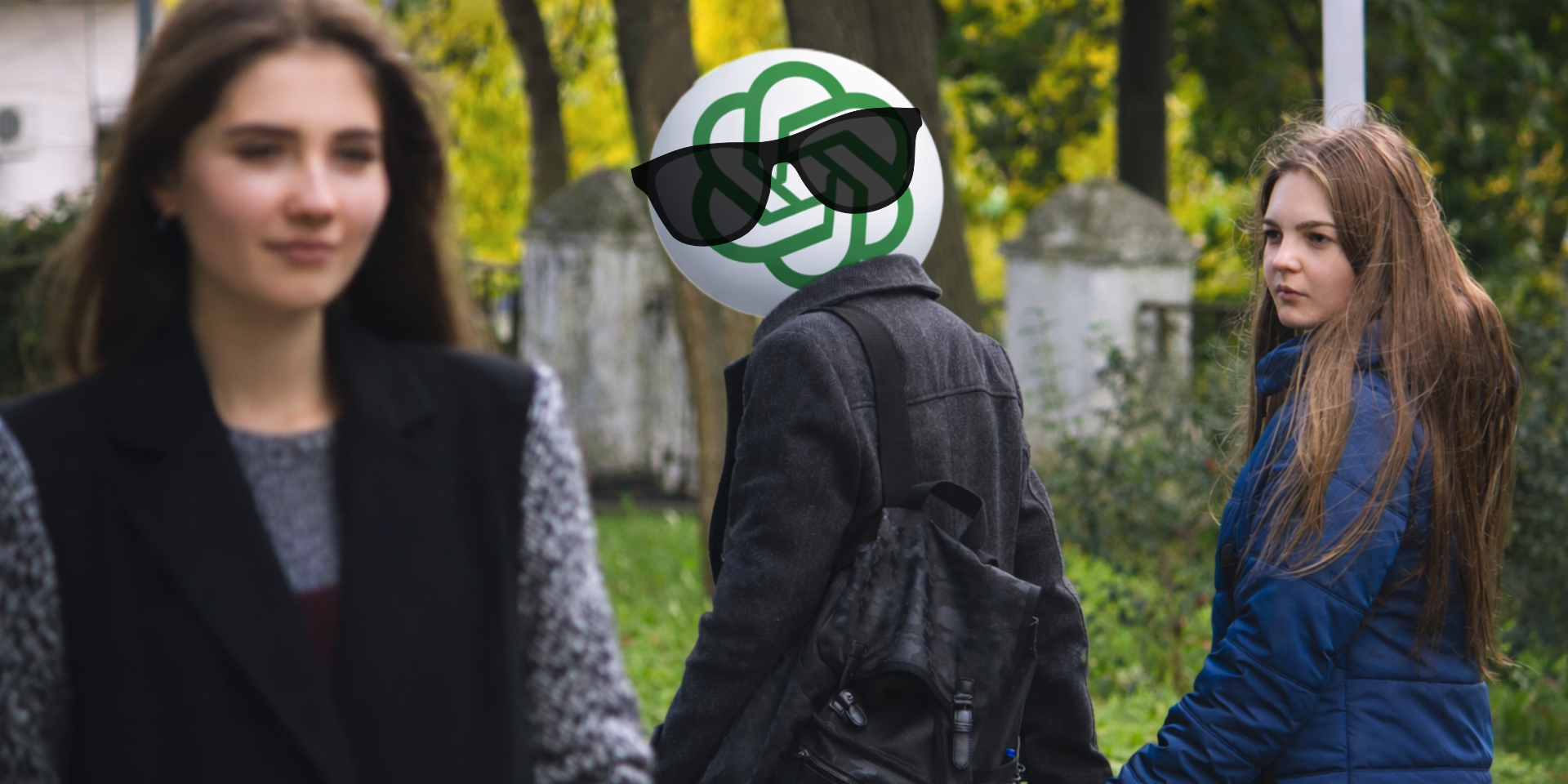
ChatGPT is not really interested in links. So when a user asks ChatGPT to recommend a lawyer, it has to rely on platforms that know lawyers.
Legal directories have historically been synonymous with local SEO and link building. They play an important role in building credible citations for your law firm, which are important for your law firm’s local SEO strategy.
ChatGPT, however, is not really interested in links. They also don’t have nearly three decades of data and a local review ecosystem like Google has with its maps and Google Business products. So when a user asks ChatGPT to recommend a lawyer, it has to rely on platforms that know lawyers.
Table of Contents
How does ChatGPT determine which lawyer is the best?
Here’s the short version, straight from the source: ChatGPT doesn’t rank law firms the way Google does. There’s no algorithm you can game with backlinks or paid placements. Instead, it synthesizes signals from multiple authoritative sources, weighted by credibility, depth, and consistency.
We have the official list of what directories matter if you want to prove to ChatGPT that your law firm is the best in town when someone asks the answer engine for a recommendation.
Tier 1: The Sources ChatGPT Trusts Most
These carry the most weight because they are peer-reviewed, outcome-based, or editorially vetted.
Best Lawyers is peer-review only. Lawyers voting on lawyers. ChatGPT treats this as a strong signal for established excellence, especially when a firm earns “Lawyer of the Year” or practice-area-specific recognition. The caveat is that it favors established firms and offers less coverage of newer attorneys who may be doing exceptional work.
Super Lawyers combines peer nominations with independent research. ChatGPT values it heavily for regional reputation, and the practice-area filtering matters here. The Rising Stars list also carries weight for younger attorneys, which is worth knowing if your firm has associates building their profiles. CLM’s research has detected a slight advantage for law firms that have multiple attorneys with Super Lawyers designations over firms that have just one or two.
Martindale-Hubbell still matters (yeah, we were surprised too.) The AV and BV peer ratings are treated as a gold standard. Judicial references and ethics scores factor in. Compared to consumer-facing directories, there is less marketing noise to cut through.
The key insight is this: if a firm appears consistently across all three of these, ChatGPT treats that as a very strong signal.
Tier 2: Performance and Authority Signals
These are not traditional directories, but they heavily influence what ChatGPT recommends.
Your law firm’s website – This one that should make every law firm marketing team pay attention. ChatGPT looks at detailed verdicts and settlements, named cases with jurisdictions and dates, and media citations that support your claims. Your case results page is not just for prospects browsing your site. It is training data for AI recommendations.
Custom Legal Marketing built Sommers Schwartz a results portal as the gold standard for what law firms should do with their case results. This portal is regularly updated.

That’s why it’s not that surprising that ChatGPT is regularly recommending the firm and sending qualified leads to them every month.

Chambers and community safety organizations are strong for business litigation, corporate, appellate, and regulatory work. But they also carry significant weight for personal injury and consumer practices. Custom Legal Marketing’s research platform has identified a direct connection between local directory citations and how AI chatbots surface firms for ‘best personal injury lawyer’ and similar queries. ChatGPT, Perplexity, and Google AI Overviews all pull from structured third-party sources when generating local recommendations. Chamber memberships, safety organization sponsorships, and community partner listings create the kind of verified, geo-specific citations these systems rely on. For PI firms targeting a defined service area, these are signal generators. A firm that shows up across chamber directories, nonprofit partner pages, and local safety event listings is producing the citation pattern that AI systems interpret as local authority and community trust. That footprint feeds directly into how these systems decide which firms to recommend in a given market.
Law360 coverage of major wins, lateral hires, or precedent-setting cases signals current momentum. ChatGPT distinguishes between legacy reputation and what is happening right now, and Law360 feeds that distinction.
Tier 3: Consumer and Visibility Signals
These are useful for accessibility and consistency but are not decisive on their own.
Avvo is helpful when backed by strong reviews and verified endorsements. Ratings alone are not moving the needle. If your Avvo profile is just a number with no substance behind it, ChatGPT is not giving it much weight.
Google Business Profiles matter, but review quality matters more than review count. ChatGPT looks at consistency across multiple reviewers and flags things like review spikes, generic praise, and review-gated behavior. The patterns that have always looked suspicious to experienced marketers look suspicious to AI too.
Justia provides useful corroboration through attorney profiles, articles, and case summaries. It is not a primary signal, but it adds to the overall picture.
Tier 4: Low-Weight or Cautionary Signals
These rarely drive a recommendation on their own.
Yelp has high noise and low legal specificity. It can surface customer service issues, but ChatGPT is not using it to evaluate legal skills.
Paid lists and “Best Of” badges are weighted based on transparency. Pay-to-play lists are heavily discounted by ChatGPT. If you have been wondering whether that $500 badge is worth it for AI visibility, the answer is no, it’s not. However, we have seen firsthand how legitimate community-voted contests can move the needle on ChatGPT recommendations. Last year, Steinberg Law Firm was awarded “Best Personal Injury Attorney in Charleston Living Magazine’s 2025 Best of the Holy City Awards” which is based on real community votes. Later on in 2025, Steinberg Law Firm won the 2025 Charleston’s Choice for Best Personal Injury Law Firm and Best Law Firm.
Steinberg Law Firm saw a 67% increase in ChatGPT conversions over the last 4 months of 2025.
The award itself only matters if the methodology is genuine. In the two examples above, both recognitions came from the community, which lends the ratings more authenticity.
How This Actually Works in Practice
When someone asks ChatGPT for a lawyer, here is what happens behind the scenes.
It looks for firms that appear in Best Lawyers and Super Lawyers. It checks for verifiable case outcomes. It wants consistent references across multiple reputable sources. It matches the specific sub-practice (for example, a birth injury-related prompt would lead to qualifying law firms based on birth injury experience, not just the umbrella practice area of medical malpractice), and it weighs current activity, not just legacy reputation.
That means your 2023 Super Lawyers designation isn’t worth as much as your 2025 or 2026 designation. The 2023 designation is just “legacy reputation.”
No single directory wins. Convergence across tiers is the key signal.
What This Means for Your Law Firm
If your firm has been focused exclusively on Google rankings, you are playing one game while a second one has already started. AI-driven recommendations do not care about your domain authority or your backlink profile. They care about whether multiple credible, independent sources agree that you are good at what you do.
The firms that have invested in peer-reviewed recognition, documented their results, regularly share press releases to announce case victories, and maintain consistent profiles across authoritative platforms are already ahead, whether they realize it or not.
And if you’re one of those firms feeling like you’re getting left behind, talk to one of our law firm marketing experts today!

Jason Bland
Jason Bland is a Co-Founder of Custom Legal Marketing. He focuses on strategies for law firms in highly competitive markets. He's a contributor on Forbes.com, is a member of the Forbes Agency Council and has been quoted in Inc. Magazine, Business Journals, Above the Law, and many other publications.

The Definitive Guide to Law Firm SEO That Works
Law Firm SEO That Works is where we show attorneys what their competitors wish they knew.

