











for Lawyers
AI-powered search platforms like Perplexity are quickly changing how people find legal information. Modern legal marketing requires a blend of technical know-how, content strategy, and a keen understanding of how AI-driven engines interpret and cite information.
Optimizing for AI-generated answers.
Perplexity SEO Makes Your Frm Discoverable


ANSWER ENGINE OPTIMIZATION
This guide will walk you through the essentials of Perplexity SEO for lawyers, offering actionable steps to improve your law firm’s visibility and authority across both search engines and generative AI tools.
Understanding How Perplexity and AI Search Engines Work
Traditional law firm SEO has long been centered on Google, but platforms like Perplexity operate differently. Instead of simply listing top-ranking websites, Perplexity summarizes answers by drawing on web content, reputable sources, and even user-generated knowledge. It frequently cites sites, forums, and authoritative articles to construct thorough responses.
These next-generation platforms synthesize answers, not just links. This means that for your law firm’s website to be cited or referenced in Perplexity results, your content needs to be exceptionally clear, well-structured, and demonstrably trustworthy. AI engines, including ChatGPT and Claude, favor sources that:
- Quickly and directly answer specific questions
- Demonstrate topical authority and legal expertise
- Provide clear, structured information in multiple formats, such as text, FAQ sections, and visuals
- Are well-referenced or mentioned by other trustworthy sources
For law firms, this creates an opportunity to not only compete for rankings on Google but also earn prominent placements in AI-generated summaries, voice assistants, and chat-based user journeys.
Creating Content Ecosystems: From Pillar Pages to Fan-Outs
In AI-driven search, surface-level articles rarely win. Perplexity and similar engines are designed to predict follow-up questions and provide a conversational experience for users. This puts a premium on building interlinked content ecosystems—clusters of articles and pages that map out entire legal journeys.
For example, a pillar page on “Personal Injury Claims in California” can be supported by a series of in-depth guides, such as:
- “How to File a Personal Injury Lawsuit in California”
- “California Statute of Limitations for Accident Claims”
- “What To Do if the Insurance Company Denies Your Claim”

Each of these subtopics should be internally linked and reference primary sources, statutes, or relevant court cases. Not only does this approach improve user engagement, but it also signals to AI engines that your site comprehensively covers a legal area, making it more likely to be cited as an authority.
To map these content ecosystems:
- Use tools like People Also Ask, Google SGE, and Perplexity’s own suggestions to identify related questions
- Cover entire client journeys, not just isolated queries (from “Do I need a lawyer for a car accident?” to “What is the average settlement?” and “How long will it take to resolve?”)
- Add clear, direct answers and summary boxes at the top of supporting pages so AI bots can easily extract information
Structured Data, Schema, and Conversational Formatting
Perplexity and ChatGPT scan for snippets and concise answers that are easy to parse and cite. Law firm marketing teams should implement structured data using FAQ schema, HowTo markup, and Article schema to boost inclusion in AI-generated results.
Specific best practices include:
- Mark up question-and-answer content to help AI understand and reference your page as the source of a direct answer
- Use conversational headings, such as “How Much Does a Divorce Cost in New York?” instead of generic headlines like “Divorce Fees”
- Present information in bullet points, tables, and checklists where possible—this makes it easier for AI engines to pull relevant portions into their answer boxes
- Reference entities and relationships in your practice area (courts, statutes, notable cases, local organizations), as this improves your semantic relevance with both humans and machines

Incorporate visuals where appropriate (infographics, flow charts), as AI tools like GPT-5 increasingly use image recognition with Vision, and these can be described in alt text for further discoverability.
Earning Authority and Trust: Beyond Just Keywords
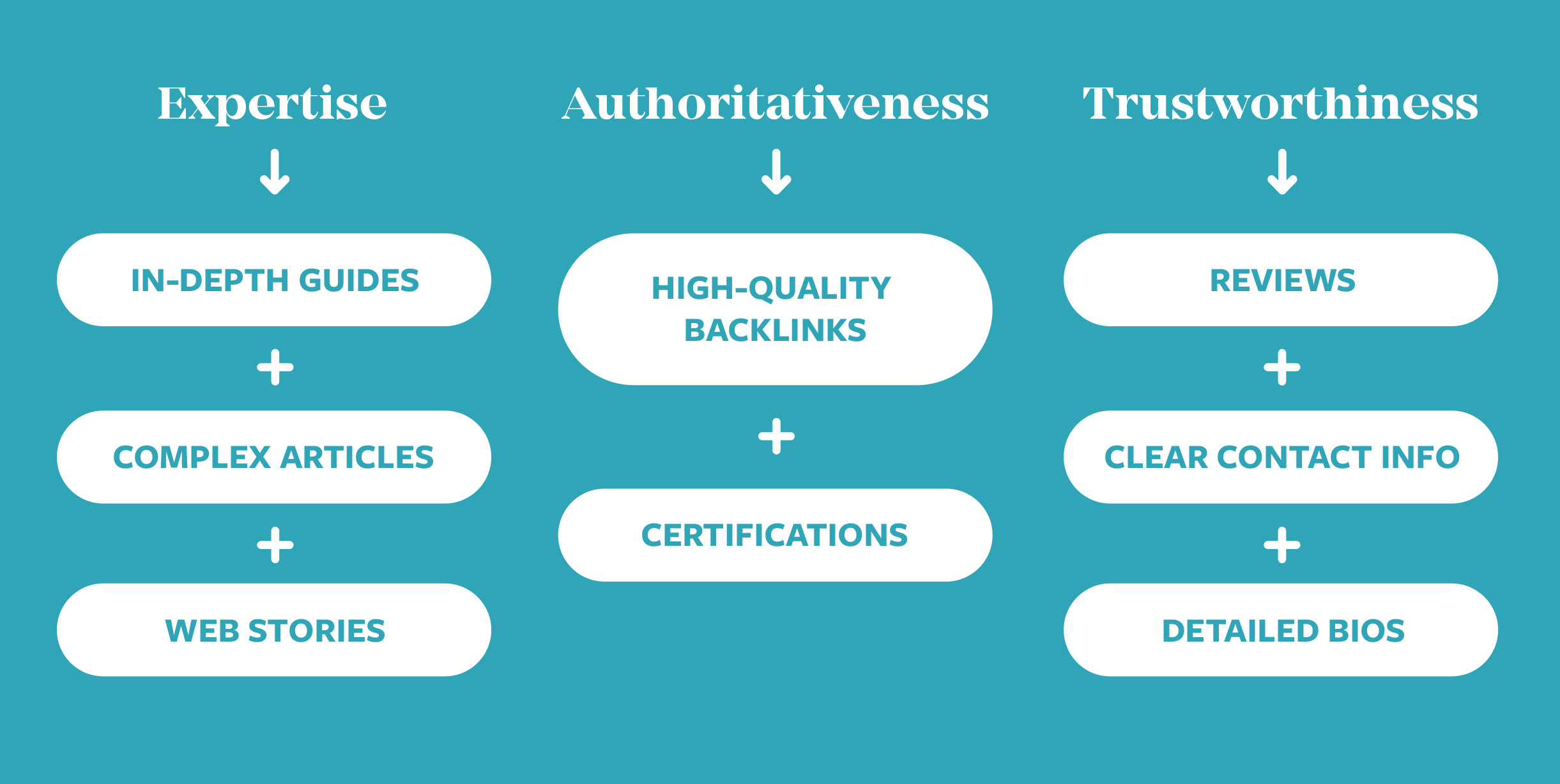
AI-powered legal marketing is all about proving your expertise—not just claiming it. Perplexity and other AI search engines are more likely to cite pages that have third-party validation and real-user engagement. Here are ways to build this authority:
- Acquire citations from reputable legal directories, news sources, bar associations, and respected peer review platforms
- Showcase your expertise through author bios, credentials, and links to speaking engagements, court appearances, and published works
- Encourage and display reviews and testimonials from satisfied clients—user-generated content is a key trust signal for both search engines and AI bots
- Reference and link out to primary legal sources to show you’re providing more than just surface-level information
Brand signals are increasingly vital. Make sure your law firm’s name and attorneys are mentioned consistently on other high-authority sites. AI engines often cross-reference these mentions to verify your credibility.
Monitoring and Refining Your AI-Driven SEO Strategy
Optimizing for Perplexity and similar platforms is an iterative process. Unlike traditional law firm SEO, where rankings are relatively easy to track, AI engines often surface answers from different sections of your content, or from different properties (your website, directory listings, or even user-generated content on forums).
To measure and improve your law firm marketing outcomes:
Regularly check which questions your content is being cited for in Perplexity and Google SGE, adapting content clusters as new intents emerge
Use Google Search Console, Bing Webmaster Tools, and AI query analysis tools to track performance for both root and fan-out topics
Monitor FAQ and featured snippet inclusion rates, as these are often pulled by chatbot search engines as well
Run periodic audits for schema implementation, broken links, and missing citations. These are low-hanging fruit for boosting structured data performance
Collect feedback from clients who found you through AI chatbots or voice search, as this reveals new user journeys and content opportunities
Refinement means staying in tune with evolving AI models while continuing to invest in proven law firm SEO strategies: building topical depth, fostering trust, and offering real value to every visitor—human or machine.
Custom Legal Marketing is focused on helping law firms not only stay visible online but also thrive in the era of AI-powered search. If your firm wants to future-proof its digital presence, let our legal marketing experts craft a strategy that works with both traditional and generative engines—so you reach more clients, wherever and however they search.

CLM is singularly focused on my firm's success and frequently over-delivers. I don’t think that you could make a better choice.
- Paul Greenberg, Briskman Briskman & Greenberg
We have been using CLM for our websites for a number of years and they have been outstanding! Their entire team has always been highly responsive and met all of our marketing needs.
-Todd J. Leonard, Todd J. Leonard Law
